


How Specific Claims Make Direct Mail Work Harder

When I was growing up, my mom and dad would sometimes get Omaha Steaks deliveries in a big styrofoam cooler. They ordered from the latest envelope generously stuffed with all kinds of offers. Later on, I learned more about how the company was an early adopter of mail order sales and saw quite a few classic, long-lived control campaigns first-hand in the first part of my marketing career.
But that was then. I don’t eat meat anymore. And having a track record going back over a century doesn’t automatically connect with younger consumers like Gen Z.
According to Marketing Dive, Omaha Steaks launched its “No Bull” campaign to replace vague marketing language with straightforward explanations of what makes its products worth buying.
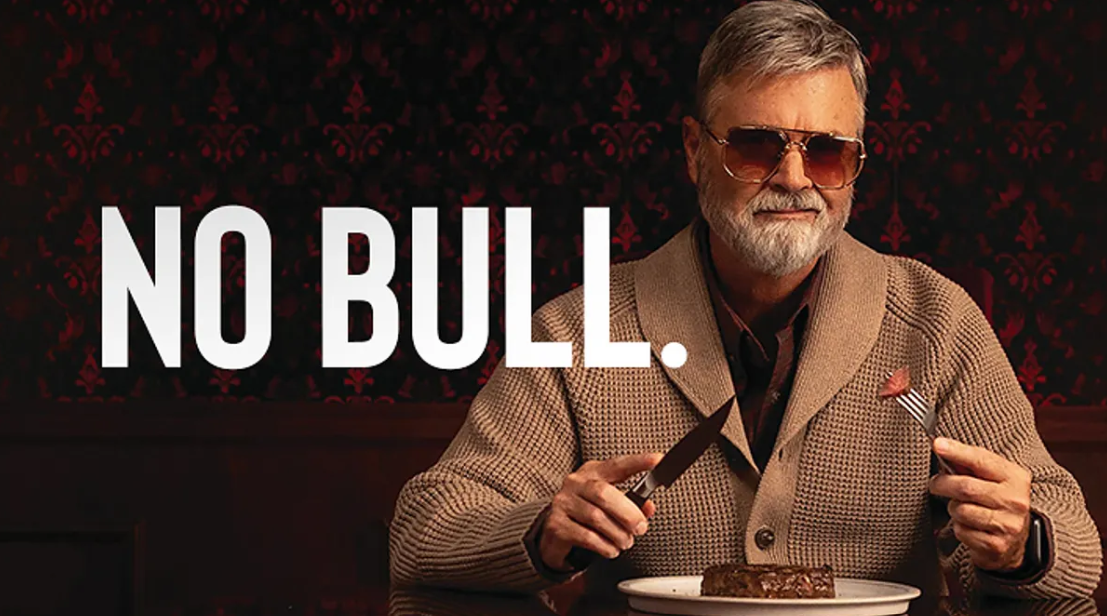
Credit: Omaha Steaks
Words like “gourmet,” “premium,” and “quality” have been staples of food marketing forever. But they can mean almost anything. Omaha Steaks is now spelling out what quality means to the company: U.S. sourcing, careful aging, and hand-cutting by butchers.
Two weeks after the campaign launched, the company reported a 46% increase in conversion rates and a 130% rise in social media mentions. Those numbers don’t prove that every brand needs a “No Bull” campaign. But making your messaging more clear and credible can get attention and motivate action.
Put the benefits into words people understand
So often we see claims about innovation, exceptional service, personalized experiences, or superior quality without a clear explanation of what those things mean to the customer.
Maybe it’s time to shift toward showing the evidence.
Instead of “exceptional service,” explain how quickly a company responds or resolves a problem. Rather than promising a “personalized experience,” describe how the offer, product, or message fits a customer’s needs. On your website, replace “high-quality printing” with specifics about color consistency, paper selection, finishing, or the care that you take to get a job right.
The language should answer a simple question: Why should I believe you?
Time to sharpen your questions
When your message relies on broad claims and easily-used buzzwords, a couple of questions can lead to stronger copy and creative.
What does quality mean to this audience? Which product features deserve the most attention? What proof can the company offer? What would make a recipient stop, read, and respond?
Asking questions like these can shape more than the words. Paper, format, images, personalization, and finishing all affect how a message is presented and experienced. A well-produced mailpiece can give a specific, believable claim greater power and presence. But beautiful printing can’t rescue a message that leaves the reader guessing.
Omaha Steaks also continues to use direct mail. It recognizes its value for customers who appreciate tangible communications. Its willingness to retain traditional channels while updating its tone reminds us that reaching younger audiences doesn’t mean abandoning what already works.
Keep the identity but change the conversation
Established brands don’t have to pretend they’re something new to attract younger buyers. They need to explain their value in language that fits how people think and make decisions today.
So, fewer fuzzy adjectives and more useful information. It’s also important to go beyond production specifications to help clients communicate more effectively.
Whether the message arrives in a mailbox, on a screen, or a combination of channels, tell people what you offer, show them why they should believe you, and give them a reason to care.
The preceding content was provided by a contributor unaffiliated with Printing Impressions. The views expressed within may not directly reflect the thoughts or opinions of the staff of Printing Impressions. Artificial Intelligence may have been used in part to create or edit this content.
- Categories:
- Mailing/Fulfillment - Postal Trends


