How to Design Direct Mail That People Keep (Not Trash)
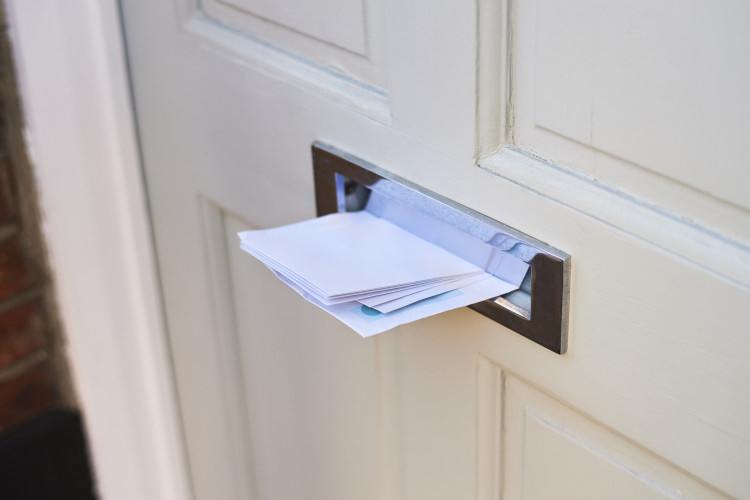

Let’s be honest: Most mail gets opened, glanced at … and tossed.
But every so often, a piece of direct mail earns a second look. Then a third. It lands on a desk. Gets pinned to a bulletin board. Slides into a drawer. Weeks or even months later, it’s still doing its job.
That’s not an accident. That’s design with intention.
After more than three decades working in direct mail, I’ve seen one truth hold steady: The mail that performs best is the mail that earns a place in someone’s life. Not just their mailbox.
Here’s how printers and marketers can design direct mail people actually keep and why it matters more than ever.
Start With Utility, Not Just Aesthetics
Beautiful design gets attention. Useful design gets longevity.
When a piece serves a purpose beyond promotion, it immediately changes how it’s perceived. Instead of “advertising,” it becomes a tool.
Some of the most effective keeper formats I see include:
- Calendars and date-driven pieces (annual, quarterly, event countdowns)
- Coupons or offers designed for repeated use
- Reference cards, checklists, or guides
- Desk pieces like mini notepads or tent cards
The key is to ask early in the design process:
What problem does this piece help solve for the recipient?
If the answer is “none,” it’s likely headed for the recycling bin.
Make It Feel Worth Keeping
People keep things that feel intentional, premium, or thoughtfully crafted.
This is where paper choice, weight, and finish play a starring role.
Thicker stocks, distinctive textures, and specialty finishes send an immediate signal: This isn’t disposable. Soft-touch coatings, uncoated tactile papers, linen, felt, or subtly embossed elements all add perceived value without overwhelming the message.
I’ve seen simple formats dramatically outperform expectations just because the piece felt good in hand.
If it feels like a flyer, it gets treated like a flyer.
Design for Repeated Exposure
Direct mail that sticks around has a second superpower: frequency without added postage.
A piece that lives on a desk or fridge delivers brand impressions day after day, without additional spend.
To make that work:
- Keep branding clean and consistent, not overpowering
- Use colors and typography that age well
- Avoid time-sensitive messaging that expires too quickly
A desk piece that still looks relevant in 90 days is far more valuable than one that peaks on day one.
Think Beyond Flat
Dimensional or interactive elements immediately separate a piece from the rest of the mail stack.
That doesn’t mean complicated or expensive. Simple enhancements can make a big difference:
- Die-cuts or unusual shapes
- Fold structures that reveal content gradually
- Tear-offs, tabs, or built-in response mechanisms
When interaction is built into the design, the recipient is more likely to engage and far more likely to keep the piece.
Personalization That Goes Deeper Than a Name
Variable data printing is one of the most powerful tools for creating keeper mail, but only when it’s used strategically.
Instead of just swapping names, consider:
- Personalizing content based on industry, role, or behavior
- Custom calendars tied to relevant deadlines
- Offers or tips aligned with known interests
When the content feels specifically chosen for the recipient, the piece earns relevance and relevance drives retention.
Balance Promotion With Value
One common mistake I see is overloading keeper mail with sales messaging.
The most effective pieces lead with value first, promotion second.
A helpful checklist, guide, or reference earns attention. A subtle call to action keeps the brand top of mind when the timing is right.
Think less “buy now,” more “I’ll remember you when I need this.”
Why This Matters for Printers
For printers, keeper mail isn’t just good marketing advice, it’s good business.
These pieces:
- Encourage higher-quality paper and finishing
- Support more complex formats and production techniques
- Help clients see direct mail as a long-term investment, not a one-time expense
When you help clients design mail that lasts, you’re not just printing a piece, you’re elevating the role of print in their marketing strategy.
The Takeaway
Direct mail doesn’t have to fight for attention if it earns its place.
When a piece is useful, tactile, thoughtfully designed, and relevant, it stops being “mail” and starts becoming part of someone’s workspace or routine.
And that’s when direct mail does what it does best: connect, linger, and deliver results long after the mailbox moment has passed.
If you’re designing your next direct mail campaign, ask one simple question:
Would I keep this?
If the answer is yes, your audience just might too.
The preceding content was provided by a contributor unaffiliated with Printing Impressions. The views expressed within may not directly reflect the thoughts or opinions of the staff of Printing Impressions. Artificial Intelligence may have been used in part to create or edit this content.
- Categories:
- Mailing/Fulfillment - Postal Trends
Summer Gould is Account Executive at Neyenesch Printers. Summer has spent her 31 year career helping clients achieve better marketing results. She has served as a panel speaker for the Association of Marketing Service Providers conferences. She is active in several industry organizations and she is a board member for Printing Industries Association San Diego, as well as the industry chair for San Diego Postal Customer Council. You can find her at Neyenesch’s website: neyenesch.com, email: summer@neyenesch.com, on LinkedIn, or on Twitter @sumgould.