2026 Direct Mail Design Strategy
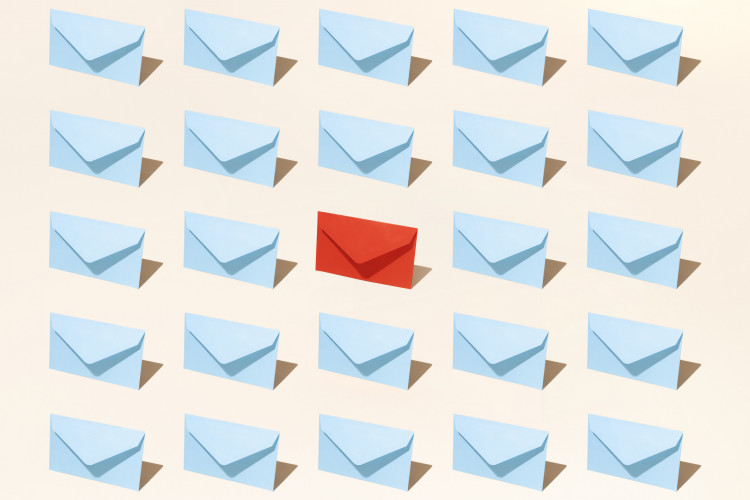

Once you’ve identified your audience and refined your message, your design strategy becomes the difference between a mail piece that performs and one that gets ignored. Images, fonts, layout, copy, and color all work together to determine whether your piece earns attention or ends up in the recycling bin.
Strong direct mail design isn’t about decoration. It’s about clarity, intent, and guiding the reader toward action. Below are the key elements every effective direct mail piece must get right.
1. Images: Design With Purpose
Images are often the first thing noticed, which means they need to work hard. Emotionally compelling visuals still perform best. Images that feature people, our eyes are naturally drawn to faces grab attention. Familiar or iconic imagery can also be effective, as recognition builds instant connection.
What matters most is intent. Every image should have a job:
- Create curiosity
- Reinforce the message
- Guide the reader’s eye
Avoid using images simply to fill space. Fewer, more purposeful visuals will outperform cluttered designs every time. Always ensure imagery aligns with your brand tone. Your direct mail should feel like a natural extension of who you are, not a departure.
2. Fonts: Readability Builds Trust
Typography plays a larger role in direct mail than many realize. Fonts influence how approachable, credible, and professional your message feels.
Use fonts that are easy to read at arm’s length and appropriate for your audience. Interesting or distinctive fonts can draw attention, but restraint is key. Too many fonts or too many sizes create visual noise. As a rule of thumb, stick to:
- One primary font
- One supporting font
- No more than three font sizes
Typography should support the message, not compete with it.
3. Layout: Guide the Eye, Don’t Overwhelm It
Layout is where design strategy truly comes to life. A clean, well-paced layout helps the reader move naturally through your message.
Effective layouts:
- Use white space generously
- Establish a clear visual hierarchy
- Allow images and copy to work together, not against each other
Think about how mail is physically handled. It’s picked up, flipped over, skimmed, and revisited. Design for that reality. Use folds, panels, and pacing to slow the reader down and encourage exploration.
Avoid placing copy over busy images, it’s easy to ignore and difficult to read.
4. Copy: Make It Easy to Say 'Yes'
Great design supports great copy. Readers tend to start at the outer left edge and move inward, so structure your text accordingly. Short paragraphs, clear headlines, and scannable sections help your message land quickly.
Use plain language. Avoid jargon and acronyms whenever possible. Direct mail works best when it feels human, conversational, and easy to understand in seconds.
Every word should earn its place.
5. Color: Use It With Intention
Color influences emotion and perception instantly. The right palette can reinforce your message and create contrast that helps key elements stand out.
Focus on:
- Contrast for readability
- Consistency with brand identity
- Restraint—color should support the message, not overwhelm it
In print, color works differently than it does on screen. Subtle, intentional choices often feel more premium and are easier on the eye.
6. Paper and Tactile Elements Are Part of the Design
Design doesn’t stop at the screen. Paper choice, weight, texture, and finish all communicate before a single word is read.
Uncoated stocks, soft-touch finishes, heavier weights, and subtle embellishments like raised UV or foil can:
- Guide attention
- Increase perceived value
- Create a stronger emotional response
These choices should be intentional and aligned with the message, not added as an afterthought.
7. Design for Response, Not Just Appearance
Every successful mail piece has a clear goal. Your design should support one primary call to action, whether that’s visiting a landing page, making a donation, calling a number, or scanning a QR code.
Eliminate distractions that dilute response. Make the next step obvious, easy, and visually supported throughout the piece.
Beautiful mail is nice. Mail that drives action is better.
8. Test, Refine, Repeat
Even the best design benefits from feedback and testing. Show your piece to customers or colleagues before rolling it out. Small tweaks to format, layout, or emphasis can significantly improve results.
Over time, let performance guide future design decisions. Strong direct mail design is iterative and it improves with every campaign.
Final Thoughts
Direct mail design doesn’t have to be intimidating. When you approach it strategically, one element at a time, you create mail that stands out, feels intentional, and delivers results.
Choose formats that allow enough room for your message. Confirm postal requirements early to avoid costly surprises. And when in doubt, have your mail service provider review a PDF before printing.
Thoughtful design isn’t just about being seen. It’s about being remembered and acted on.
The preceding content was provided by a contributor unaffiliated with Printing Impressions. The views expressed within may not directly reflect the thoughts or opinions of the staff of Printing Impressions. Artificial Intelligence may have been used in part to create or edit this content.
- Categories:
- Mailing/Fulfillment - Postal Trends
Summer Gould is Account Executive at Neyenesch Printers. Summer has spent her 31 year career helping clients achieve better marketing results. She has served as a panel speaker for the Association of Marketing Service Providers conferences. She is active in several industry organizations and she is a board member for Printing Industries Association San Diego, as well as the industry chair for San Diego Postal Customer Council. You can find her at Neyenesch’s website: neyenesch.com, email: summer@neyenesch.com, on LinkedIn, or on Twitter @sumgould.