How to Choose the Right Direct Mail Format for Results
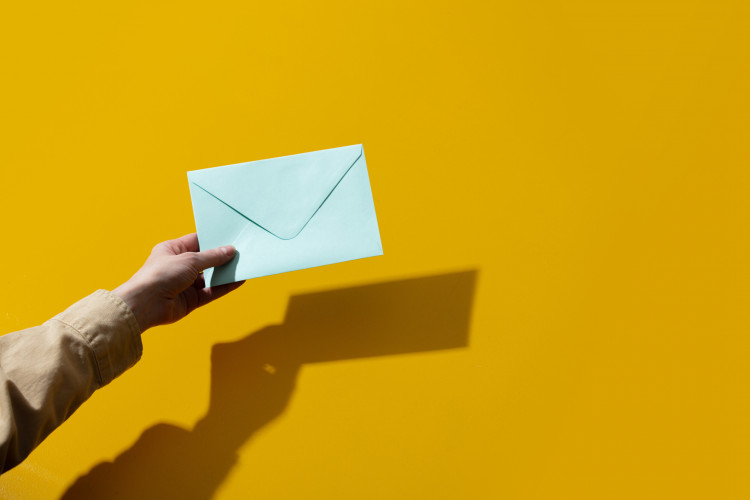

Direct mail isn’t one size fits all. If you’re sending the same format to every audience, for every campaign, you’re leaving response on the table. I’ve seen it happen. A brand invests in great design and strong data, but the format doesn’t match the message. The result? Underwhelming performance.
So let’s break it down. When should you use a letter? A postcard? A self-mailer? And how should you structure the copy for each to maximize response? Here’s your practical guide.
The Letter Package: When You Need to Persuade
Best for:
- Higher dollar offers
- Complex messaging
- B2B outreach
- Nonprofit fundraising
- Financial, healthcare, or education campaigns
- Cold prospecting where trust must be built
When you need space to explain, tell a story, overcome objections, and guide someone through a decision, the letter still wins. There’s a reason fundraising organizations and financial institutions rely on it. A letter allows for narrative flow and emotions to build.
Pro Tips for Letter Copy Placement
- The first 3 inches matter most.
The top of page one must immediately answer:
- Why am I receiving this?
- Why should I care?
- What’s in it for me?
If the opening paragraph feels generic, you’ve already lost momentum.
- Personalization goes above the fold.
Name, company, industry references, even variable headlines. Don’t bury the personalization in paragraph three. - Break it up.
No one reads a wall of text. Use:
- Short paragraphs
- Subheads
- Underlines
- Bold statements
- P.S. at the end
Yes, the P.S. still works. It often gets read first.
- Include a strong reply mechanism.
Reply cards, BREs, QR codes, personalized URLs. Make response frictionless. I’ve seen response jump simply by clarifying the CTA and making it visually obvious where to act.
The Postcard: When Speed and Simplicity Win
Best for:
- Retail promotions
- Events
- Grand openings
- Seasonal offers
- Quick reminders
- Geographic saturation campaigns
Postcards don’t ask for commitment to open. The message is instantly visible. That’s power. But it also means you have about three seconds to hook attention.
Pro Tips for Postcard Copy Placement
- Headline dominates the front.
Big. Bold. Clear. Not clever for the sake of clever. If someone can’t understand the offer in one glance, simplify it. - One message only.
This is not the place for five calls to action. One offer. One next step. - Use the back strategically.
The mailing panel side still has selling space. Design around the address block. Use the left side for:
- Secondary benefits
- Social proof
- A testimonial
- Offer details
Don’t treat the back as an afterthought.
- QR codes need context.
“Scan here” is weak. “Scan to claim your 20% VIP discount before Sunday” is stronger. Clarity drives action.
The Self-Mailer: When You Want Impact and Space
Best for:
- Product launches
- Real estate
- Travel and hospitality
- Higher education
- Healthcare service lines
- B2B campaigns needing visuals and explanation
A self-mailer gives you room to expand without the cost of a full envelope package. Think folded formats, gate folds, accordion folds, die cuts. This is where format can become part of the message.
I’ve seen travel campaigns use wide gate folds to reveal destinations. Real estate campaigns that open like doors. Healthcare pieces that guide readers panel by panel through services. Format influences engagement.
Pro Tips for Self-Mailer Copy Placement
- Design the reveal intentionally.
Ask: What do they see first? What do they see second?
Your strongest hook should live on the cover panel. Your proof points unfold logically inside.
- Use panels like chapters.
Each panel should have a purpose:
- Problem
- Solution
- Proof
- Offer
- Call to action
If every panel looks the same, the flow gets lost.
- Place the CTA more than once.
Front panel teaser. Interior reinforcement. Final panel action. Repetition increases recall. - Mind postal regulations early.
Talk to your printer before finalizing design. Placement of wafer seals, address panels, and folds matters. Production strategy should support creativity, not fight it.
So, Which Format Should You Choose?
Ask yourself:
- How complex is the message?
- How much trust needs to be built?
- What is the value of the conversion?
- Does this campaign need speed or storytelling?
- Are visuals driving the sale?
If the offer is simple and urgent, postcards shine. If the decision is emotional or complex, letters lead. If you need visual impact and narrative flow without a full package, self-mailers hit the sweet spot. There’s no “best” format. There’s only the best format for that objective.
One More Thing: Format Must Match the Funnel
Awareness stage?
Postcards can drive traffic.
Consideration stage?
Self-mailers can educate.
Decision stage?
Letters can persuade and close.
When format aligns with audience mindset, performance improves. I’ve seen brands test the same offer across formats and get dramatically different results simply because one matched the buying stage better. Test. Learn. Adjust. That’s where direct mail gets powerful.
The preceding content was provided by a contributor unaffiliated with Printing Impressions. The views expressed within may not directly reflect the thoughts or opinions of the staff of Printing Impressions. Artificial Intelligence may have been used in part to create or edit this content.
- Categories:
- Mailing/Fulfillment - Postal Trends
Summer Gould is Account Executive at Neyenesch Printers. Summer has spent her 31 year career helping clients achieve better marketing results. She has served as a panel speaker for the Association of Marketing Service Providers conferences. She is active in several industry organizations and she is a board member for Printing Industries Association San Diego, as well as the industry chair for San Diego Postal Customer Council. You can find her at Neyenesch’s website: neyenesch.com, email: summer@neyenesch.com, on LinkedIn, or on Twitter @sumgould.