What Silence is Telling Leaders
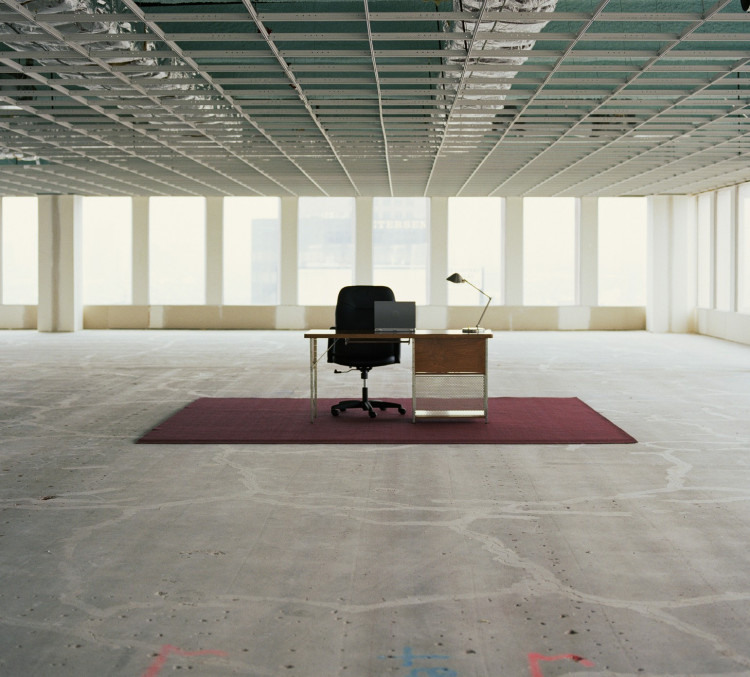

I’ve been in many rooms with capable, well-intentioned leaders where no one said much of anything.
Not because people lacked ideas.
Not because they didn’t care.
But because, over time, they stopped believing it was worth speaking up.
Leadership blind spots typically go unnoticed. They don’t appear in reports, job tickets, or dashboards, and they rarely come with a warning. Usually, they emerge quietly—through hesitation, disengagement, and pauses that are never addressed.
Silence is rarely an indication that everything is functioning well. More often, it’s feedback leaders haven’t learned to recognize.
In the printing, graphics, and visual communications industry, leaders are trained to oversee the work. Quality. Deadlines. Throughput. Press uptime. Turnarounds. Margins. All of that matters. It always has. But some of the most vital leadership signals never appear on a production schedule.
They appear during fast-paced meetings but feel strangely dull. When teams do exactly what’s asked—and nothing more.
When experienced operators stop offering suggestions because “it’s not worth the conversation.”
When “Everything’s fine” becomes the safest response in the room.
Silence is not neutral; it is conveying a message.
Most leadership failures aren’t caused by bad intent. Many leaders in this industry genuinely care about their people and their businesses. They’ve worked their way up, spent time on the floor, and understand what pressure feels like. They seek clarity, alignment, and for things to run smoothly.
The problem usually isn’t intent. It’s impact. Somewhere between a leader's intentions and people's actual experiences, a gap emerges. When that gap remains unexamined, trust begins to fade quietly.
A leader might aim to be decisive but come off as dismissive. They might want to be efficient but appear unavailable. They might seek to empower people but leave them confused.
When silence occurs, leaders often assume everyone is aligned. That assumption can be dangerous.
I was talking with a CEO not long ago—let’s call him Jack. Jack manages a solid operation. Good people. Strong reputation. Busy shop. But he was frustrated. “I don’t get it,” he told me. “We ask for feedback. Nobody pushes back. Meetings are short. Everyone nods. But things still feel off.”
I asked him a simple question: “When was the last time someone really disagreed with you in a meeting?” He paused. Thought about it. Then said, “Honestly? It’s been a while.”
That was the moment.
Jack hadn’t created a hostile environment. He hadn’t shut people down intentionally. But over time, through urgency, tone, and a constant need to keep things moving, he’d trained his team to stay quiet. Not because they didn’t care, but because they didn’t think speaking up would change anything.
The silence he was hearing wasn’t alignment. It was adaptation.
This is an industry built on motion. Jobs move fast. Problems need answers now. Presses don’t wait. Customers don’t either. Reflection can feel unnecessary—sometimes even indulgent. But speed without clarity creates friction. And friction, over time, wears people down.
The leaders who miss this aren’t careless.
They’re busy. Focused. Trying to keep things moving.
But when leaders don’t slow down long enough to reflect, they stop seeing how their behavior lands—especially under pressure.
Leadership doesn’t really live in mission statements hanging in a hallway.
It shows up in moments instead.
How mistakes are handled on the floor.
How feedback is received—or brushed aside.
And how often leaders actually listen, without interrupting or explaining it away.
How consistently expectations are reinforced when schedules are tight and stress is high.
People don’t follow titles.
They follow the behavior they’ve learned they can trust.
That’s where the leadership mirror matters. Mirrors don’t always flatter.
That’s kind of the point.
They show leaders not who they intend to be, but who they’re actually being—day after day, shift after shift, conversation after conversation.
The strongest leaders in this industry aren’t always the loudest voices in the room. More often, they’re the ones who notice what isn’t being said—and are curious enough to ask why.
Reflection doesn’t require retreats or frameworks or time carved out on a calendar. It requires discipline. The discipline to pause before reacting. The discipline to listen without defending. The discipline to pay attention to silence instead of brushing past it.
Because silence, when ignored, doesn’t go away. It compounds.
This column exists to examine those quieter leadership moments—the ones that shape trust, culture, and performance long before problems become visible. Each column of The Leadership Mirror will focus on the signals leaders often miss, not because they don’t care, but because they’re moving too fast to see them.
Sometimes the most important thing a leader can hear is the silence they’ve been ignoring for a while.
For more information, please email Ryan@RyanSauers.com,
call 678-825-2049, or visit www.SauersConsulting.com
The preceding content was provided by a contributor unaffiliated with Printing Impressions. The views expressed within may not directly reflect the thoughts or opinions of the staff of Printing Impressions. Artificial Intelligence may have been used in part to create or edit this content.