Is It Legal for Printing Companies to Use AI-Generated Images?
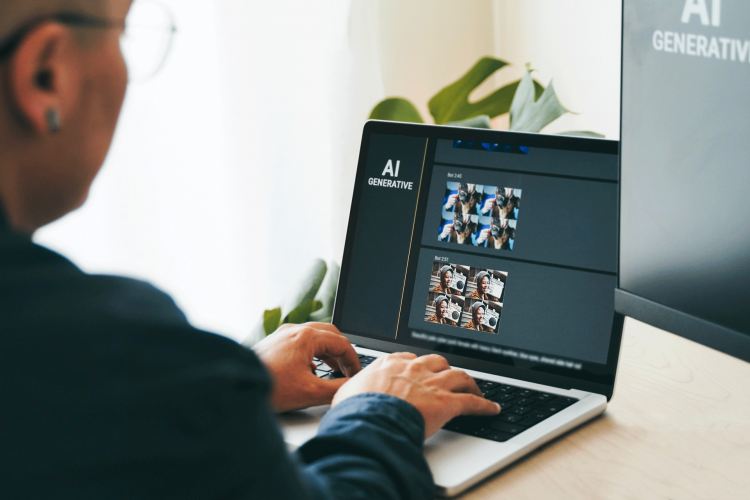

AI image generation has improved dramatically over the last few years. What once produced strange, unrealistic visuals can now generate highly detailed marketing and sales imagery in seconds.
Tools like Gemini 3.1 (newest Gemini model at the time of this article) have pushed image generation even further, producing visuals that are increasingly photorealistic and usable in professional marketing campaigns.
For printing companies and marketers, this raises an important question: Is it legal to use AI-generated images in marketing and sales collateral?
The short answer is yes, most of the time. But there are important legal considerations around copyright, trademarks, likeness rights, and misleading advertising that every marketer should understand before using AI images in things like:
- Direct mail
- Websites
- Brochures
- Catalogs
- Digital advertising
Let’s break down what you can do, what you cannot do, and where the legal grey areas still exist.
Can You Legally Use AI Images in Marketing?
In most cases, AI-generated images can be used commercially, including in marketing materials.
Many major AI platforms allow commercial use of generated images, including tools like:
- Gemini (Nano Banana 2)
- Midjourney
- OpenAI (DALL·E 3)
As long as you follow the platform’s terms of service and avoid infringing on intellectual property, AI images can be used in marketing campaigns.
For printing companies, this means AI visuals can often be safely used in:
- Sales collateral
- Direct mail campaigns
- Website graphics
- Email marketing
- Social media advertising
Using AI Images in Direct Mail
Direct mail is one of the most common places where AI-generated imagery is already being used.
AI visuals can work well for:
- Background illustrations
- Conceptual imagery
- Lifestyle scenes
- Decorative design elements
For example: A postcard promoting a printing company could use an AI-generated image of a modern office environment or a stylized illustration of printed materials.
In most cases, this is perfectly legal as long as the image doesn’t violate copyrights or depict something misleading.
Can AI Images Be Used on Websites?
Yes, AI images are widely used on websites today.
Companies frequently use AI-generated visuals for:
- Hero images
- Blog graphics
- Landing page illustrations
- Marketing banners
In fact, AI visuals can often replace stock photography entirely.
For print companies, this can be especially helpful when creating visual concepts around printing services, marketing campaigns, or branding themes that may be difficult to photograph.
Using AI Images in Brochures and Catalogs
AI imagery can also be used in printed marketing materials such as brochures and catalogs.
However, this is where marketers should be careful.
If the imagery is purely conceptual, it’s usually fine.
Examples include:
- Abstract marketing visuals
- Illustrations of business concepts
- Decorative backgrounds
- Stylized brand imagery
But if an AI image represents an actual product, there could be legal risk if it misrepresents what is being sold.
For example: If a catalog shows a luxury embossed package created by AI but the company cannot actually produce that finish, the marketing could potentially be considered misleading.
What You Should NOT Do with AI Images
While AI-generated imagery is generally usable in marketing, there are clear situations where problems can arise.
Recreating Copyrighted Characters
Prompting AI to generate images based on protected intellectual property can create legal issues.
Examples include prompts like:
- “Create a superhero that looks like Spider-Man”
- “Generate artwork in the style of Disney”
- “Make a Nike advertisement”
Even though AI generates the image, the result may still violate copyright or trademark law.
Using Real People Without Permission
Another major risk involves generating images of real people.
For example:
- A fake celebrity endorsement
- A realistic image of a real person promoting a product
- AI-generated portraits that resemble real individuals
This can violate rights of publicity, which protect individuals from unauthorized commercial use of their likeness.
Misleading Advertising
Marketing laws require that advertisements accurately represent what a company offers.
AI imagery can create problems if it:
- Depicts unrealistic product results
- Shows services that don’t exist
- Misrepresents materials or quality
For example: If a printing company shows an AI-generated image of a highly specialized print effect that it cannot actually produce, that could be considered misleading marketing.
The Legal Grey Areas Around AI Images
Despite rapid adoption, AI-generated imagery still sits in several legal grey areas.
Copyright Ownership
One of the biggest questions is who owns AI-generated images.
Current guidance from the United States Copyright Office states that works created entirely by AI without human authorship cannot receive copyright protection.
This means:
- You can use the image commercially
- But you may not fully own exclusive rights to it
For marketing materials, this usually isn’t a major issue, but it does affect exclusivity.
AI Training Data Lawsuits
There are ongoing lawsuits involving AI companies and how their models were trained.
Companies like:
- OpenAI
- Stability AI
have faced claims that training data included copyrighted images without permission.
The outcomes of these cases could eventually shape how AI-generated imagery is regulated.
For now, however, most businesses continue using AI images commercially without issue.
Why AI Image Quality Has Rapidly Improved
Early AI image generators produced strange results, distorted faces, broken hands, and unrealistic lighting.
But modern models like Gemini 3.1 have significantly improved image generation capabilities.
New AI models can now produce:
- Photorealistic lighting
- Complex textures
- Realistic environments
- Accurate visual composition
For marketers and printing companies, this means AI imagery is now good enough to be used in real campaigns, not just concept mockups.
Best Practices for Using AI Images in Marketing
To minimize legal risk, print companies and marketers should follow a few best practices:
- “Avoid referencing real brands or copyrighted characters“
- “Don’t generate images of real people for advertising“
- “Modify AI images before final use“
Editing AI images in design software adds human creativity and reduces duplication risks:
- “Use trusted AI platforms with clear commercial licenses“
- “Keep records of prompts and image sources“
This can help demonstrate how the image was created if questions arise.
The Bottom Line When it Comes to AI Image Legality
AI-generated images are quickly becoming a standard tool in marketing.
They can typically be used legally in:
- Direct mail campaigns
- Websites
- Brochures
- Catalogs
- Digital advertising
But marketers should avoid generating imagery that:
- Copies copyrighted characters
- Uses celebrity likenesses
- Misrepresents products or services
- Replicates existing artwork too closely
As AI tools continue to improve, and models like Gemini 3.1 push the technology forward, AI imagery will likely become a normal part of the creative workflow for marketing teams and print companies alike.
The key is understanding where the legal boundaries are today and keeping an eye on how AI laws evolve in the future.
The preceding content was provided by a contributor unaffiliated with Printing Impressions. The views expressed within may not directly reflect the thoughts or opinions of the staff of Printing Impressions. Artificial Intelligence may have been used in part to create or edit this content.
- Categories:
- Artificial Intelligence (AI)
Alyssa Summers is the CEO of Pryntbase, a marketing service and solutions provider for full service print companies. She brings a deep background in digital strategy and a proven track record in agency and industry leadership. Alyssa has helped hundreds of print businesses drive visibility, leads, and sales through smart use of technology and marketing automation. Known for her practical approach and deep industry insight, she is a digital marketing thought leader focused on helping printers thrive in the digital age. You can reach her at alyssa@pryntbase.com.