Packaging Outlook 2026: Trends Driving Tomorrow’s Growth

As 2025 comes to a close, it’s once again time to refine plans for business growth in the coming year. To do that, it’s crucial to have insight into what’s happening in the market — on every side of the equation.
For those interested in growing via convergence into the packaging and labels market — or for those already in that segment — read on for insights into what to expect in 2026.
Sustainability Reigns Supreme
For Ryan Bennett, product manager at Minneapolis-based Meyers, a PRINTING United Alliance member company, sustainability is something customers are looking for.
“It used to be, you stood out if you were a sustainability leader, but now it’s kind of the starting point,” Bennett says. “You have to start there and then innovate.”
Meyers has lived up to this by using 100% carbon-free electricity, installing solar panels, committing to a “zero landfill” strategy to divert waste away from landfills, and using eco-friendly products like recycled paperboard and water-based glues, inks, and coatings.
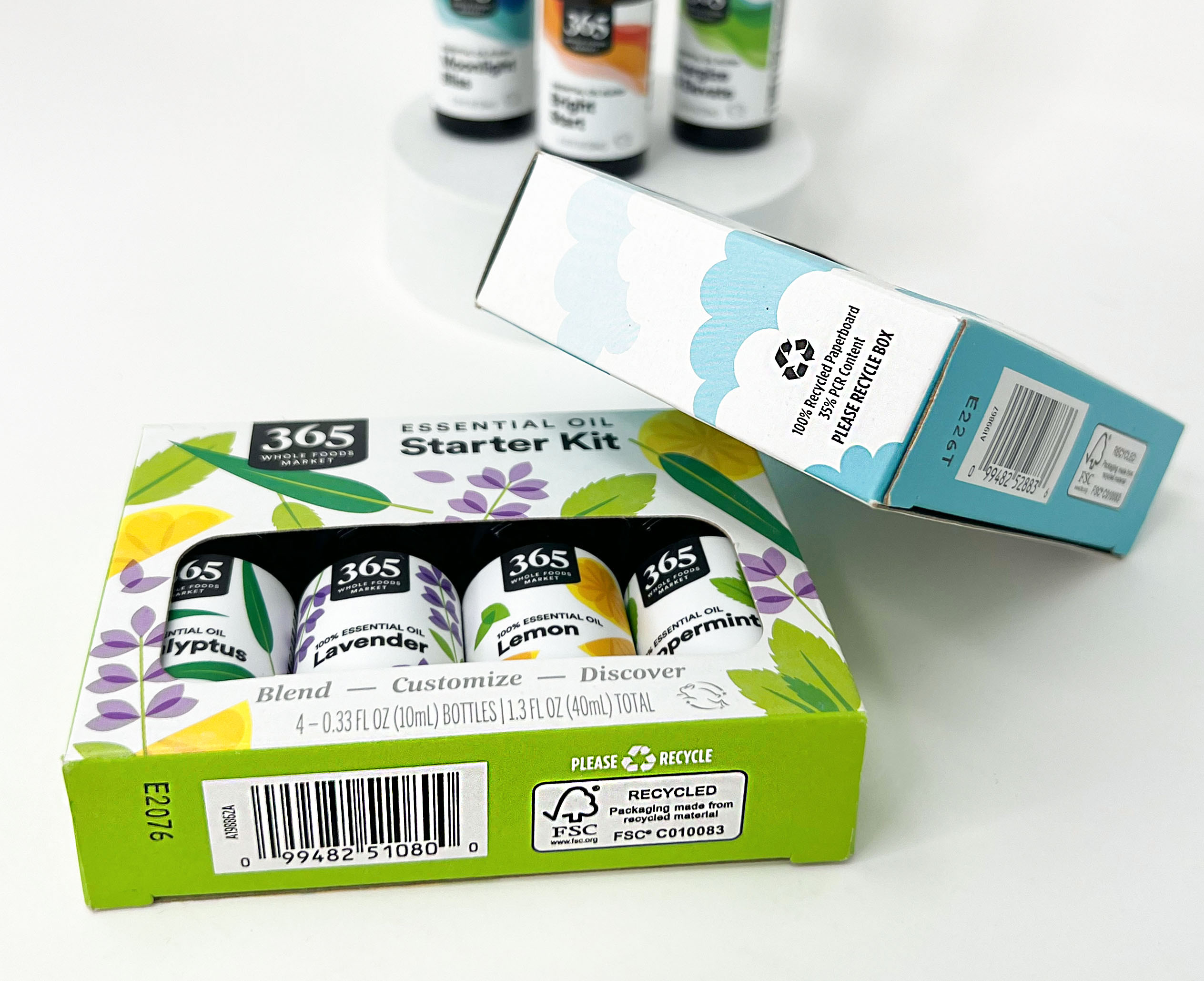
Sustainability is a focus at Meyers, which has committed to 100% carbon-free electricity, a “zero landfill” strategy to divert waste away from landfills, and eco-friendly products. | Credit: Meyers
Bennett says the brands turning to sustainable packaging options most are in the health, beauty, life sciences, and food markets; these brands have increasingly moved toward paperboard and packaging made from recycled materials.
However, data from the “Digital Packaging: Maximizing Innovation and Impact” report from Alliance Insights, PRINTING United Alliance’s research arm, show that recyclability of a package is only part of the sustainability puzzle for brand owners. In 2024, 60% of brands ranked recyclability as their top packaging sustainability demand; in 2025, that percentage dropped to 42%.
The other sustainability attributes taking priority include lightweighting and rightsizing — which are on 37% of brand owners’ radars — followed by reusability (34%) and reduction of packaging material waste (30%).
What’s driving brands’ need for sustainable packaging solutions? Cory Francer, analyst at Alliance Insights, says the push is often coming from external sources.
“I think that’s because they’re feeling a lot of pressure, not just from their customers being consumers that want recyclability, but that want to feel like they are supporting a sustainable product, sustainable package,” Francer says. “There’s also now all of this legislative and regulatory stuff that they have to contend with. We’re seeing EPR laws passed in seven states now, and 12 have it on the table.”
And while sustainability demands are certainly on the rise, Clayton Stormer, national sales manager at Dallas-based Abbott Label, says there’s one thing that’s giving interested brands pause.
“Some of these larger brands — it sounds really good out of the gate, but when you finally start talking cents and dollars, it almost leads them to go back to [substrates and materials] they’ve been using in the past,” Stormer says.
A Need for Speed
Another trend shaping the packaging and label industry going into 2026 is the demand for shorter runs and quicker lead times. Bennett says more and more brands are adopting this mindset.
“Industry standard for the printing industry is usually three weeks from PO, and people are doing anything to push that just to get to market quicker,” he says. “There’s a ton of stuff that drives that.”
For instance, Bennett explains that many of those brands are pursuing quick turns because their competitors are going to market quickly.
To help keep up with these sorts of demands, Meyers is investing in detection systems to ensure quality and cut makeready time, as well as new digital systems.
“We’re upgrading our digital systems — that’s both sheetfed and flexo — where, again, that’s less waste, shorter runs; we can be a lot more agile with that kind of stuff on how we run things,” Bennett says.
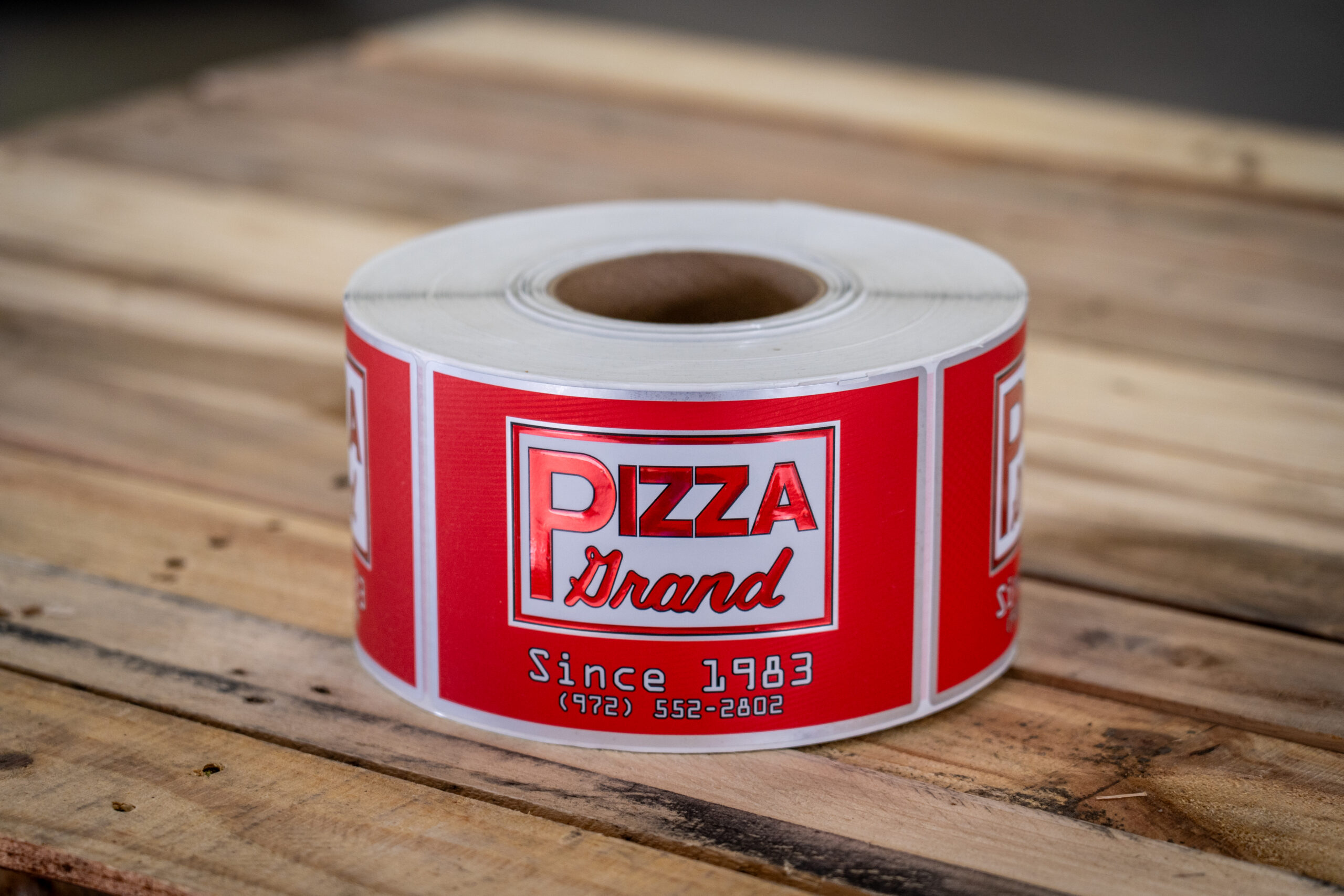
Abbott Label, a Dallas, Texas-based wholesale label manufacturer, offers a variety of capabilities, including digital label printing and packaging, and flexo-printed labels and tabs.| Credit: Abbott Label
Other innovations being helped along by the demand for quick turns and short runs are artificial intelligence (AI) and automation, which are gaining traction across the industry. While the results of the “Digital Packaging: Maximizing Innovation and Impact” report indicate that 53% of converters are using mostly manual production processes with some automation, Francer is starting to see more AI applications.
Those that currently use AI are implementing it for content generation, PR, marketing, and some sales, says Francer, who adds that's comparable to last year's data. When asked where they aren't currently using AI but have interest in the future, he says respondents indicated general interest across the board.
These areas of interest include production, customer service, HR and hiring, IT, distribution, and shipping.
“AI is definitely on the forefront and something you’ve got to stay on top of and be aware of to keep up with your competition,” John Abbott, president of Abbott Label, notes.
Managing the Supply Chain
The supply chain has made headlines this year, with tariffs being threatened, levied, and reduced seemingly at random throughout 2025. But supply chain has been top of mind for converters for longer.
“Ever since 2020, it seems like everything is very volatile — everything — from cost of stock to timelines,” Bennett says.
To address what is within the company’s control, Meyers maintains good partnerships with its suppliers and uses the more common types of stock.
Abbott also sees vendor relationships as a crucial part of his supply chain management strategy.
“I think working with quality vendors, holding those vendors accountable for what your expectations are, leads you to the results,” Abbott says. “And that’s what everything is about: results.”
While Meyers has yet to feel the full impact of tariffs, Bennett expects that to change in 2026, especially when it comes to plates and substrates.
“I know a lot of companies built their stock up figuring it was coming, so now that everyone’s kind of bleeding through that, I think we’re going to start to maybe see a little bit more of that [impact],” he says.
And Bennett recognizes that Meyers is essentially part of the supply chain for its own customers, who want frequent updates about their orders, from job placement to shipping.
“We manufacture cartons that then go to a customer that’ll put a bottle into it,” Bennett says. “Well, they've got to have all that stuff procured and in their facility before they can go to the line, so there’s a lot of stuff that goes into this, and we’re just one part of it. The transparency on when you’re getting your stuff, where it is in the manufacturing process, is key nowadays.”
Stormer adds that this is largely being driven by the “Amazon effect.”
“People [want] information quicker, faster,” he says. “And we’ve just recently made a significant decision to partner with CERM on our ERP side of things, which we feel is going to allow us the opportunity to give our customers information quicker, it’s going to allow a lot of our customer base to integrate EDIs [electronic data interchange] and portals in which they’ll have access to what’s transpiring on our end without having to actually reach out to someone. I think it will just allow for information at people’s fingertips a little bit better.”
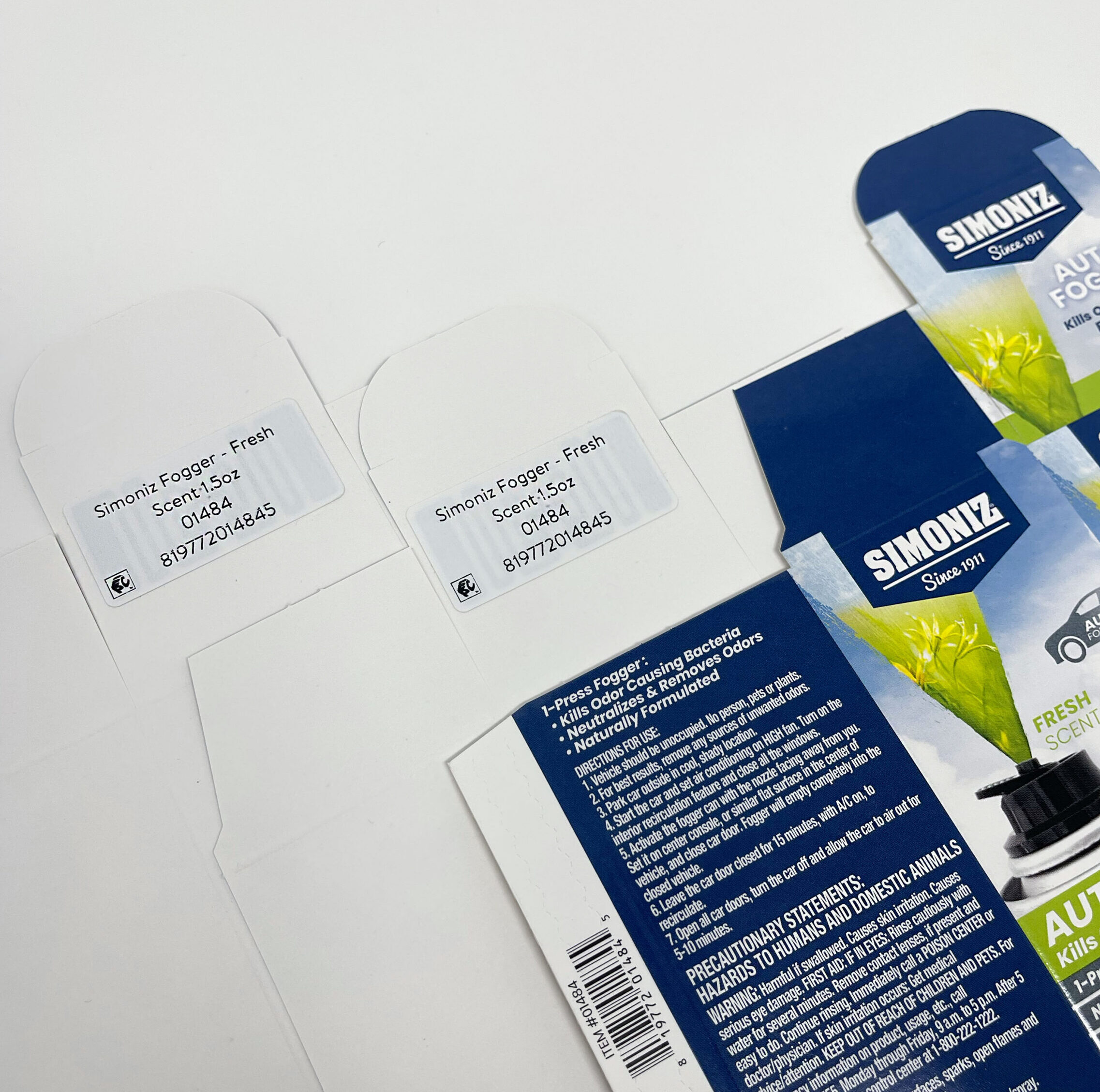
Meyers explains there is a push for RFID tags to
“do more,” including to serve security and
inventory purposes. | Credit: Meyers
Radio frequency identification (RFID) integration can also help with this transparency, Bennett says.
“There’s a lot of push for RFID tags and stuff like that where it’s not just packaging that holds product — it does more,” Bennett says. “It can do security; you could just go up and scan the skid and you know how many cartons are in it.”
But this technology can do more than order tracking. RFID is now being incorporated into packaging for inventory purposes, theft reduction, and consumer engagement. Abbott points out that Walmart is taking the lead on this front, with the retailer recently deciding to integrate RFID in its produce section. This uptick has been great for Abbott Label’s RFID business.
“With us, the RFID side of things is growing and booming,” Abbott says. “We opened up an RFID plant in Nashville and we just finished our 13th month, and we’re having great success with it.”
Preparing for What’s to Come
Looking forward, the biggest concern on Bennett’s mind is labor.
“The one thing that we do see that is a challenge — not even next year, but going into the next decade — is the aging workforce,” he says. “The workforce for printing seems to be getting older and older.”
He’s not alone in this worry.
“When thinking about [converters’] challenges, what isn’t new is that they are reporting staffing shortages as a top challenge and workforce development as a top challenge,” Francer says.
According to “Digital Packaging: Maximizing Innovation and Impact,” 37% of converters cited staffing shortages as a significant challenge, and 32% said it was a moderate challenge. Similarly, workforce development was a significant challenge for 27% and a moderate challenge for 41%.
Francer says converters are turning to technologies that can speed production times — such as digital equipment, automation, and AI — to help address these issues.
On the whole, though, Bennett sees the packaging industry as a growing one. Francer agrees, noting that it’s a great option for commercial printers looking for a new avenue of growth.
“If I’m a commercial printer and I’m looking to expand or diversify into a stable print segment or a print segment where there is demand and projected growth, labels and packaging checks those boxes,” Francer says.
Kalie VanDewater is associate content and online editor at NAPCO Media.